 亚新网站
亚新网站-
2023.09.15
Background: Synthetic glucocorticoids (GC) are effective in the treatment of inflammatory diseases of the lung. However, long-term use leads to severe side effects. Endogenous GC can be synthesized locally, either de novo from cholesterol in a 11β-hydroxylase (Cyp11b1)-dependent manner, or by reactivation from 11-dehydrocorticosterone/cortisone by 11β-hydroxysteroid dehydrogenase 1 (Hsd11b1). We aimed to define the molecular pathways of endogenous GC synthesis along the respiratory tree to provide a basis for understanding how local GC synthesis contributes to tissue homeostasis.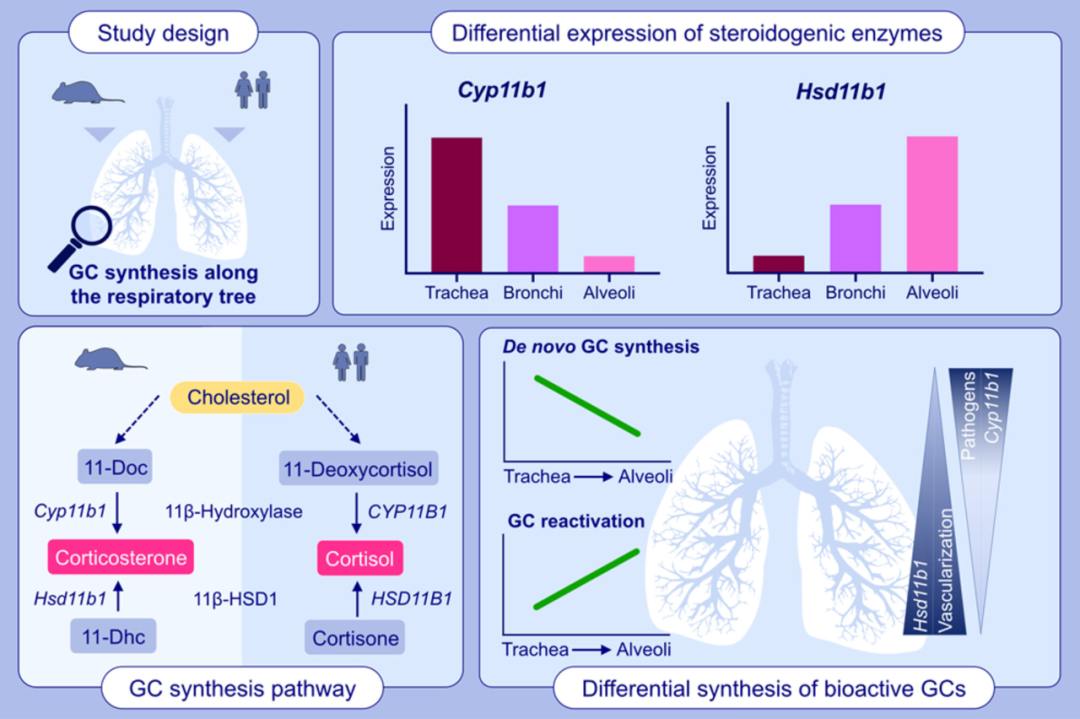 READ MORE
 -
2023.07.01
Background: Aspergillus fumigatus-specific immunoglobulin G (Af-sIgG) has been applied to diagnose allergic bronchopulmonary aspergillosis, a hypersensitivity reaction to the colonization of the fungus in the lower airways. In the upper airways, it has been reported to be involved in allergic fungal rhinosinusitis and local fungal rhinosinusitis. However, in primary chronic rhinosinusitis (CRS), a more common upper airway disease, the role of Af-sIgG remains unclear.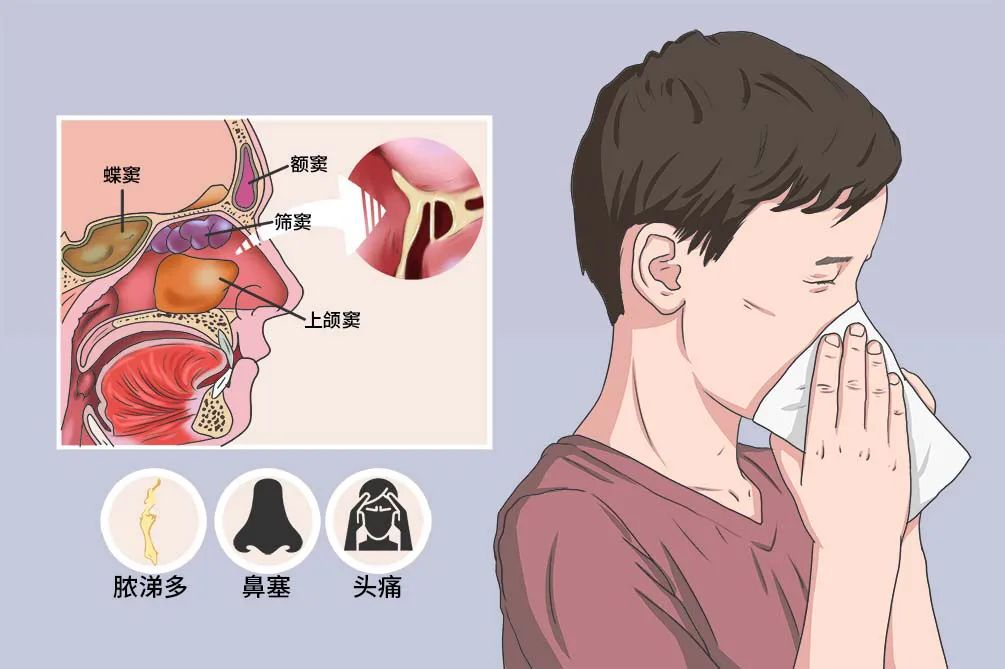 READ MORE
 -
2023.07.01
Background: Food-specific immunoglobulin G4 (FS-IgG4) is associated with eosinophilic esophagitis (EoE); however, it is not clear whether production is limited to the esophagus.Objectives: To assess FS-IgG4 levels in the upper gastrointestinal tract and plasma and compare these with endoscopic disease severity, tissue eosinophil counts, and patient-reported symptoms. READ MORE
 -
2023.06.22
Background: Clinical and experimental analyses indicate a pathognomonic role for allergen IgE crosslinking through epitope–paratope interactions as a major initial step in the cascade leading to effector cell activation and clinical manifestations of lgE-mediated food allergies. We aimed to undertake the initial development and assessment of Ara h 2-specific IgE epitope-like peptides that can bind to allergen specific IgE paratopes and suppress effector cell activation.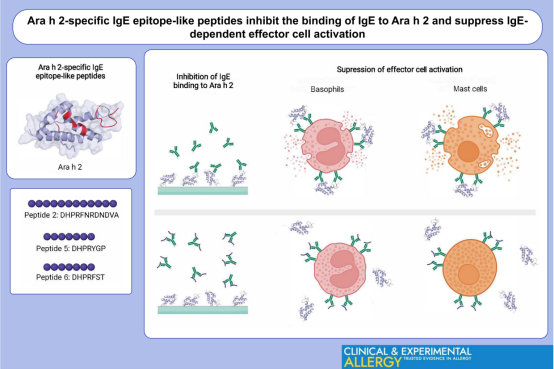 READ MORE
 -
2023.06.01
Background: Peanut allergy affects 1% to 2% of European children. Early introduction of peanut into the diet reduces allergy in high-risk infants.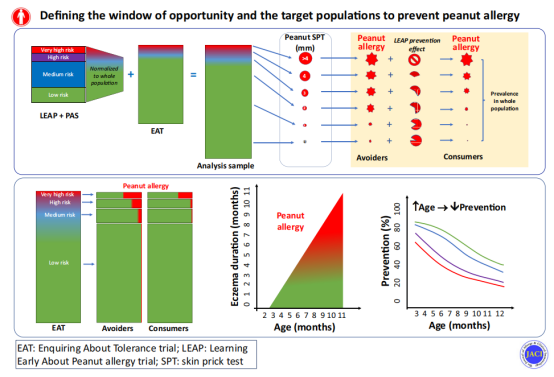 READ MORE
 -
2023.05.29
Background: Staphylococcus (S) aureus colonization is known to cause skin barrier disruption in atopic dermatitis (AD) patients. However, it has not been studied how S. aureus induces aberrant epidermal lipid composition and skin barrier dysfunction.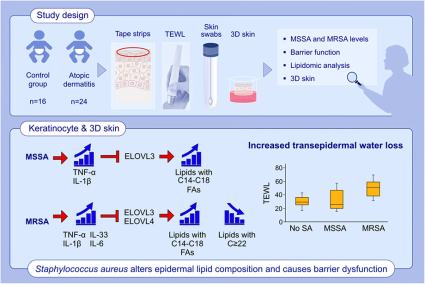 READ MORE
 -
2023.03.20
Background: Allergic diseases often develop jointly during early childhood but differ in timing of onset, remission, and progression. Their disease course over time is often difficult to predict and determinants are not well understood.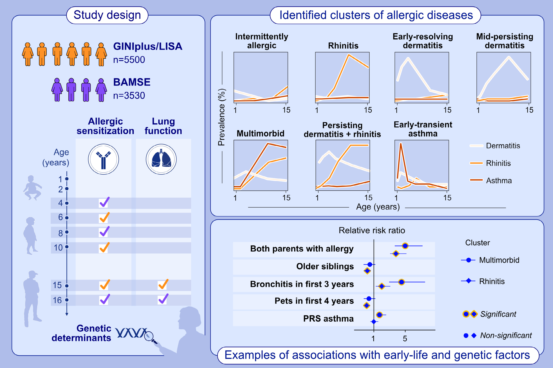 READ MORE
 -
2023.03.03
Introduction: Chronic pain is related to gastrointestinal (GI) functions because food components affect inflammation and pain through their action on the GI immune and/or neural system and because many analgesics interact with the gut to alter its structure and function. Immunoglobulin G4 (IgG4) are food-specific antibodies resulting from exposure of the gut immune system to nutrients. High IgG4 levels have been found to be associated with inflammation.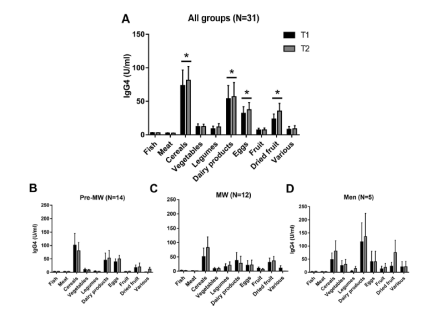 READ MORE
 -
2022.12.16
Background: Asthma is one of the most common chronic diseases in childhood, and the prevalence has been increasing over the past few decades. One of the most consistent epidemiological findings is that children living in a farming or rural environment are protected from development of asthma and allergies, but the protective factors in rural China are not clear.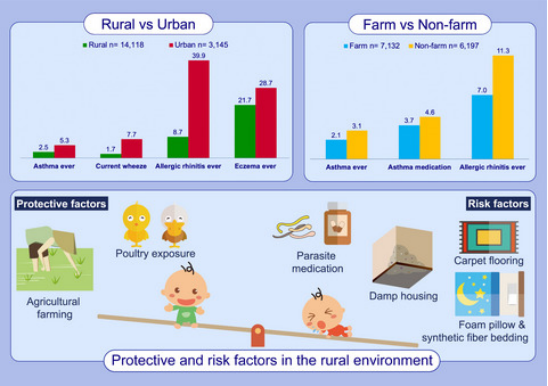 READ MORE
 -
2021.11.19
Abstract:Background: Flow cytometry is a well-accepted approach for immune profiling; however, its value is restricted by the limited number of markers that can be analyzed simultaneously. Mass cytometry/CyTOF offers broad-scale immune characterization integrating large number of parameters. While partial blood phenotyping was reported in atopic dermatitis (AD), patients’ comprehensive profiling, critical for leveraging new targeted treatments, is not available. IL-21 may be involved in inflammatory skin diseases but its role in AD is not well established.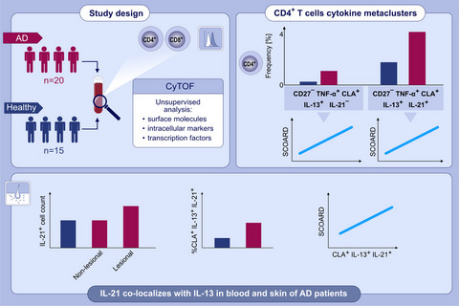 READ MORE
 -
2021.08.06
Background: IL-13 is an archetypal T2 cytokine central to the clinical disease expression of asthma. The IL-13 response genes, which are upregulated in central airway bronchial epithelial of asthma patients, can be normalized by high-dose inhaled steroid therapy in severe asthma. However, this is not the case within the peripheral airways. We have sought to further understand IL-13 in the peripheral airways in severe asthma through bronchoalveolar analysis.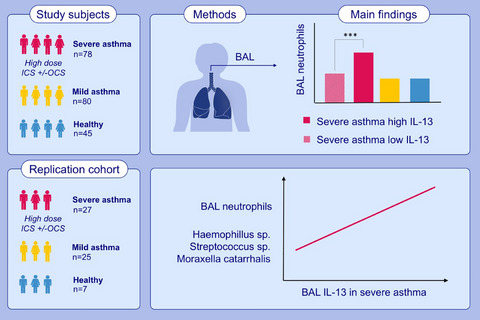 READ MORE
 -
2021.05.28
Abstract:Anaphylaxis is defined as a severe, life-threatening, rapidly evolving, generalized or systemic hypersensitivity reaction.Typical clinical signs include bronchoconstriction, vasodilatation, and hypovolemia, which can lead to respiratory insufficiency, shock, and death.3 The term allergic anaphylaxis is used when the reaction is mediated by an immunologic mechanism (IgE, IgG, and immune complex [IC] complement-related). Based on the involvement of IgE is the reaction then subclassified into IgE-mediated and not IgE-mediated reaction.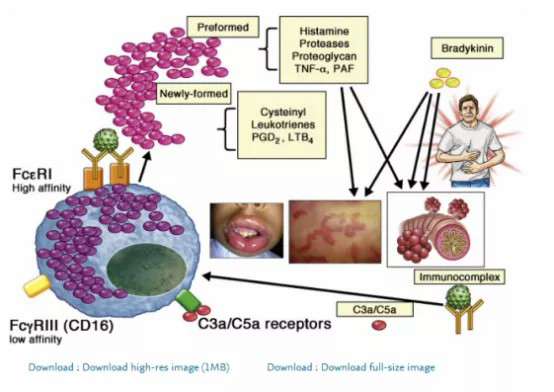 READ MORE
 -
2021.04.09
Background: Chronic rhinosinusitis with nasal polyposis (CRSwNP) is a type 2-mediated inflammatory disease associated with significant clinical, social, and economic burdens and high unmet therapeutic need. Dupilumab, a fully human monoclonal antibody targeting the interleukin-4 receptor α (IL-4Rα) subunit, demonstrated efficacy and acceptable safety in CRSwNP and other type 2 diseases (eg, atopic dermatitis and asthma). We now report the local effects of dupilumab on type 2 inflammatory biomarkers in nasal secretions and nasal polyp tissues of patients with CRSwNP in a randomized, placebo-controlled, phase 2 trialREAD MORE -
2020.11.13
Background: Obesity associated with various complications has increased worldwide. Body weight gain alters lipid metabolites (especially sphingolipids) contributing to obesity-induced inflammation. However, the significance of the metabolites in the development of obese asthma is not yet clear.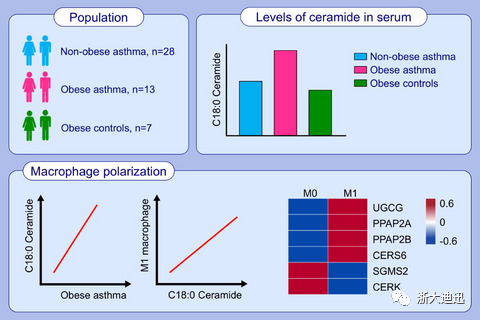 READ MORE
 -
2020.10.30
Background: Allergic disease is a recognized global epidemic and a significant cause of ill health and poor quality of life. The prevalence of pollen allergy is high throughout the world, and pollen exposure itself plays a role in emergency department presentations and hospitalizations for asthma. Lung function and airway inflammation are important measures of asthma activity and control.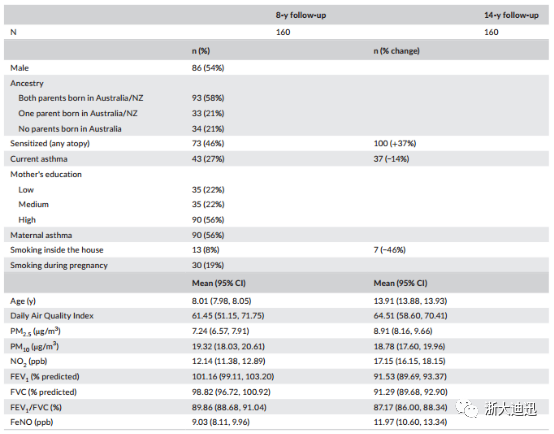 READ MORE
 -
2020.10.23
Abstract:The sinonasal microbiome remains poorly defined, with our current knowledge based on a few cohort studies whose findings are inconsistent. Furthermore, the variability of the sinus microbiome across geographical divides remains unexplored.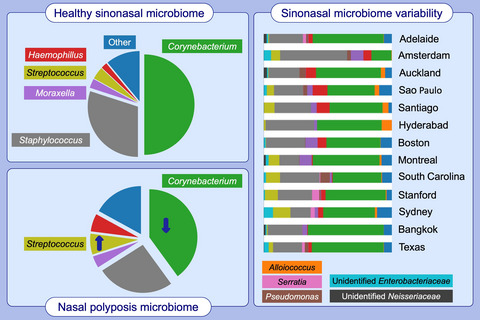 READ MORE
 -
2020.10.23
Abstract:Background: Successful prevention of food allergy requires the identification of the factors adversely affecting the capacity to develop oral tolerance to food antigen in early life.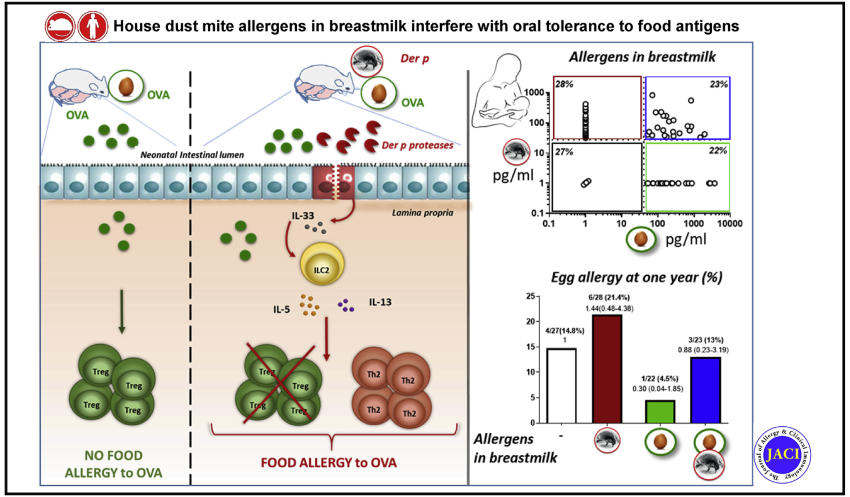 READ MORE
 -
2020.09.04
Abstract: Background: Artemisia annua is an important autumnal pollen allergen for seasonal allergic rhinitis (SAR) in northern China. To date, no study has investigated allergen immunotherapy with A annua. We aimed to investigate the efficacy and mechanisms underlying A annua-sublingual immunotherapy (SLIT).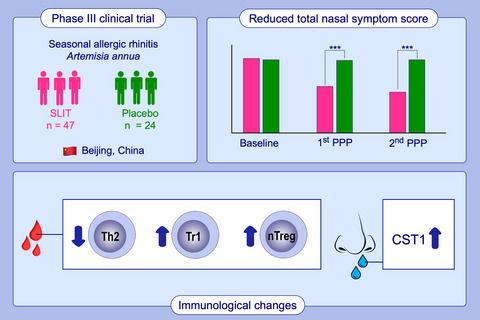 READ MORE
 -
2020.08.14
Background: Early‐life wheezing‐associated respiratory infection with human rhinovirus (RV) is associated with asthma development. RV infection of 6‐day‐old immature mice causes mucous metaplasia and airway hyperresponsiveness which is associated with the expansion of IL‐13‐producing type 2 innate lymphoid cells (ILC2s) and dependent on IL‐25 and IL‐33. We examined regulation of this asthma‐like phenotype by IL‐1β.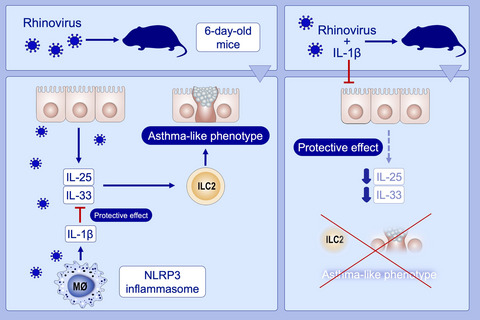 READ MORE
 -
2020.06.19
Background: Progranulin (PGRN), mainly produced by immune and epithelial cells, has been known to be involved in the development of various inflammatory diseases. However, the function of PGRN in allergic airway inflammation has not been clearly elucidated, we investigated the role of PGRN in allergic airway inflammation.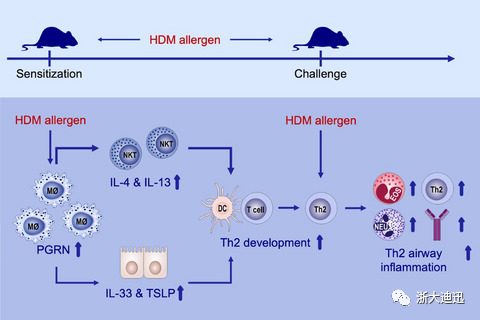 READ MORE
Hangzhou Zheda Dixun Biological Gene Engineering Co., Ltd. Copyright HZKC Technical support 浙ICP备14005341号 (浙)-非经营性-2019-0050
Address: Rm.201-209, Bldg.2, No.568 Binkang Rd., Binjiang Dist. Tel: 0571-87968248-805 Website:www.therealkc.com
COPYRIGHT©2003-2025 www.therealkc.com CORPORATION. ALL RIGHTS RESERVED


Official WeChat
开云手机登录入口 | 星空体育·(StarSky Sports)官方网站 | 云博app官方在线入口 | 江南平台 | 江南登录网站 | 开云官方注册 | 乐鱼在线登录最新官网(中国)官方有限公司 | 华球平台 | 开云网页版 |