 亚新网站
亚新网站-
2020.06.12
Background: Studies on early puberty and incident asthma have reported inconsistent results and are mainly performed in females. In this longitudinal study, we investigated the causal relationship between pubertal maturation and asthma through Mendelian randomization (MR) and explored the joint effect of overweightness and early pubertal maturation on asthma.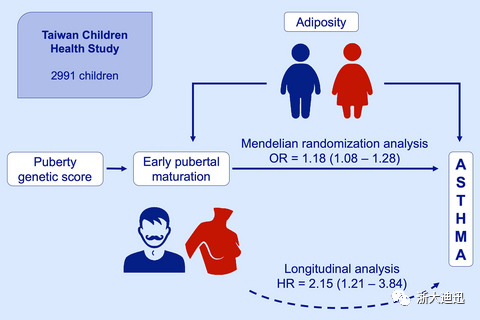 READ MORE
 -
2020.06.05
Background: A new approach targeting aeroallergen sensing in the early events of mucosal immunity could have greater benefit. The CSF1‐CSF1R pathway has a critical role in trafficking allergens to regional lymph nodes through activating dendritic cells. Intervention in this pathway could prevent allergen sensitization and subsequent Th2 allergic inflammation.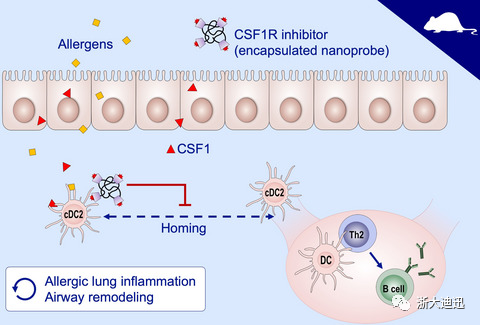 READ MORE
 -
2020.05.22
Aggravation of asthmatic inflammation by chlorine exposure via innate lymphoid cells and CD11cintermediate macrophages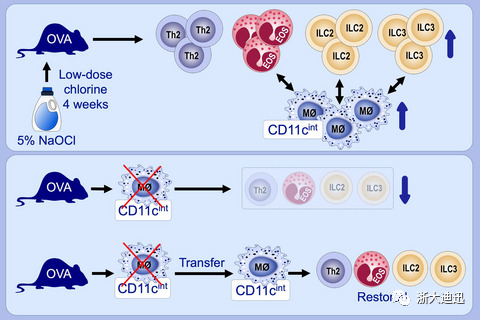 READ MORE
 -
2020.05.11
Background: Maternal pre-postnatal psychosocial distress increases the risk for childhood allergic disease. This may occur through a host immunity pathway that involves intestinal secretory Immuno-globulin A(sIgA). Experimental animal models show changes in the gut microbiome and immunity of offspring when exposed to direct or prenatal maternal stress, but little is known in humans.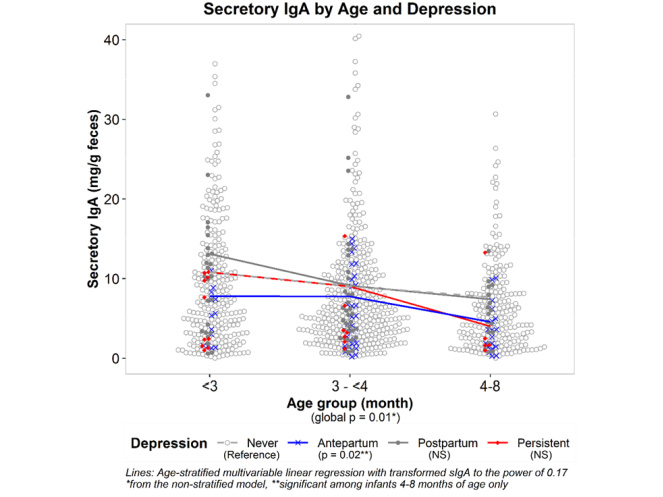 READ MORE
 -
2020.04.30
Background: An investigator‐driven, real‐life follow‐up study of adult‐onset steroid‐naïve, newly diagnosed asthma (162 patients) to investigate the treatment results over the 25‐year course of the disease and whether the first treatment year's forced expiratory volume in one second (FEV1) predicts the long‐term prognosis.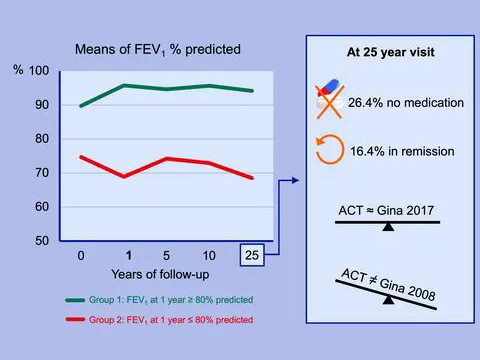 READ MORE
 -
2020.04.01
Immunoglobulin E (IgE) are least abundant, tightly regulated and IgE producing B cells are rare. The cellular origin and evolution of IgE responses are poorly understood. READ MORE
 -
2020.04.01
Background: The prevention of food allergy is a key priority for reducing the burden of allergic disease. Environmental exposures modulate the risk of developing food allergy and some of this may be mediated by the infants’ developing microbiome. However, the role of potentially protective environmental exposures, such as pet ownership, is largely uninvestigated with respect to food allergy.READ MORE -
2020.04.01
The clinical presentation of cow's milk protein allergy (CMPA) in children varies. This retrospective study aimed to investigate the prevalence and clinical manifestations of CMPA in young children who visited for evaluation of iron deficiency anemia (IDA).READ MORE -
2019.09.23
Background: Biomarkers, preferably noninvasive, that predict asthma inception in children are lacking. Objective: Little is known about biomarkers of type 2 inflammation in early life in relation to asthma inception. We evaluated aeroallergen sensitization, peripheral blood eosinophils, and serum periostin as potential biomarkers of asthma in children.READ MORE -
2019.09.23
Background: Chronic ocular allergic diseases such as vernal kerato conjunctivitis (VKC) and atopic kerato conjunctivitis (AKC) are accompanied by serious comorbidities; however, the underlying pathogenesis remains obscure. Furthermore, diagnosing conjunctival lesions in patients with atopic dermatitis and estimating the severity in AKC are important for the treatment of ocular allergic diseases.READ MORE -
2019.08.23
Allergic sensitization, most notably to perennial aeroallergens, has been defined as a pivotal risk factor for the development of asthma. Recently, it has become evident that both the timing of allergic sensitization and the quantity of sensitization are impor-tant prognostic indicators. Simpson et al have identified an atopy phenotype in children they termed multiple early sensitization. In those children sensitized to multiple aeroallergens at an early age, Simpson et al reported a remarkable increase in risk for asthma inception, severe exacerbations leading to hospitalization, and impaired lung function. This link between early-life sensitization to multiple allergens and increased asthma risk has been replicated in additional cohort studies.READ MORE -
2019.08.09
Atopic dermatitis (AD), food allergy, allergic rhinitis, and asthma are common atopic disorders of complex etiology. The frequently observed atopic march from early AD to asthma, allergic rhinitis, or both later in life and the extensive comorbidity of atopic disorders suggest common causal mechanisms in addition to distinct ones. Indeed, both disease-specific and shared genomic regions exist for atopic disorders. Their prevalence also varies among races; for example, AD and asthma have a higher prevalence in African Americans when compared with European Americans.READ MORE -
2019.07.31
Background: Macrophages can be converted in vitro into immunoregulatory M2b macrophages in the presence of immune complexes (ICs), but the role of the specific subclasses IgG1 or IgG4 in this phenotypic and functional change is not known.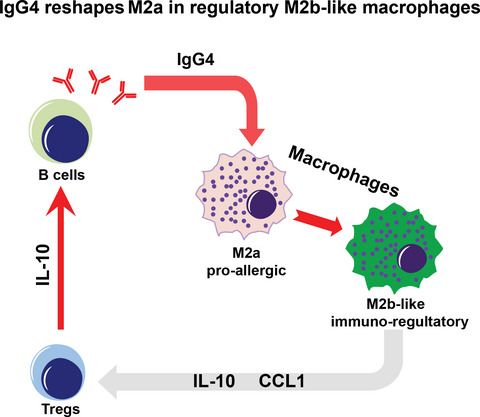 READ MORE
 -
2019.06.26
Weather and climate change are constant and ever-changing processes that affect allergy and asthma. The purpose of this report is to provide information since the last climate change review with a focus on asthmatic disease. PubMed and Internet searches for topics included climate and weather change, air pollution, particulates, greenhouse gasses, traffic, insect habitat, and mitigation in addition to references contributed by the individual authors.READ MORE -
2019.06.26
Methods: This nationwide Swedish cohort study of 1,086,378 children born in Sweden in 2001-2012 used prospectively recorded data from health care registers. Using Cox regression,we estimated hazard ratios (HRs) with 95% CIs for the association between perinatal characteristics (eg, cesarean delivery and preterm birth) and food allergy as defined by diagnoses in the National Patient Register, adjusting for infant sex and maternal factors (age at delivery, country of birth, parity, smoking, body mass index, and asthma/pulmonary disease).READ MORE -
2019.06.06
Allergic and nonallergic asthma severity in children can be affected by microbial exposures.READ MORE -
2019.06.06
Dynamic establishment of the nasal microbiota in early life influences local mucosal immune responses and susceptibility to childhood respiratory disorders.READ MORE -
2019.06.06
Chronic rhinosinusitis with nasal polyps (CRSwNP) is often characterized by local production of polyclonal IgE idiotypes. Although tissue IgE concentrations can be in the range of several thousand kilounits per liter, the regulatory mechanisms by which IgE-mediated inflammation is controlled in patients with nasal polyps are not well understood.READ MORE -
2019.04.30
Hypersensitivity pneumonitis (HP) is a TH1 lymphocyte–biased fibrosing alveolitis caused by antigens ranging from avian excreta, fungi, thermophilic bacteria, and protozoa to reactive chemicals found in the workplace. Mimicking a viral syndrome, acute exposures to inciting antigens cause abrupt onset of nonproductive cough, dyspnea, and chills with arthralgias or malaise usually from 4 to 8 hours later so that the temporal relationship between antigen exposure and symptoms might be unsuspected. The histology of HP reveals prominent lymphocyte infiltrates that thicken the alveolar septa with poorly formed granulomas or giant cells.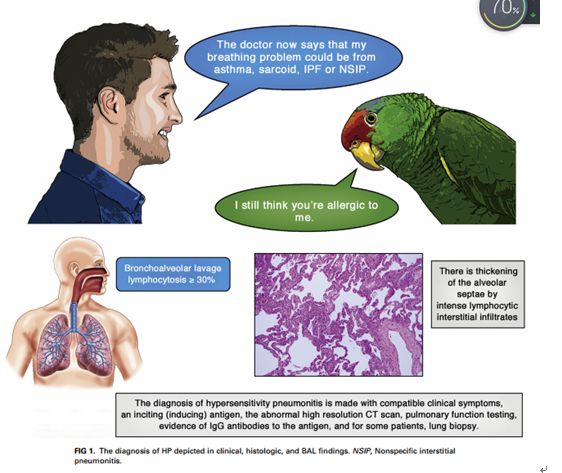 READ MORE
 -
2019.04.30
Allergen-specific IgE measurements and the clinical history are the cornerstones of allergy diagnosis. During the past decades, both characterization and standardization of allergen extracts and assay technology have improved. Here we discuss the uses, advantages, misinterpretations, and limitations of ImmunoCAP IgE assays (Thermo Fisher Scientific/Phadia, Uppsala, Sweden) in the field of allergology.READ MORE
Hangzhou Zheda Dixun Biological Gene Engineering Co., Ltd. Copyright HZKC Technical support 浙ICP备14005341号 (浙)-非经营性-2019-0050
Address: Rm.201-209, Bldg.2, No.568 Binkang Rd., Binjiang Dist. Tel: 0571-87968248-805 Website:www.therealkc.com
COPYRIGHT©2003-2025 www.therealkc.com CORPORATION. ALL RIGHTS RESERVED


Official WeChat
开云手机登录入口 | 星空体育·(StarSky Sports)官方网站 | 云博app官方在线入口 | 江南平台 | 江南登录网站 | 开云官方注册 | 乐鱼在线登录最新官网(中国)官方有限公司 | 华球平台 | 开云网页版 |