 亚新网站
亚新网站-
2019.04.15
The extensive use of allergen molecules in birth cohort studies revealed that atopic sensitization is a sequential IgE response to distinct non–cross-reacting molecules from the same allergenic source (ie, molecular spreading), starting with an initiator molecule. This phenomenon reaches different degrees of progression (monomolecular, oligomolecular, and polymolecular) according to the individual atopic propensity and allergen exposure, thus producing an extreme heterogeneity of IgE sensitization profiles in patient populations. In patients with allergic rhinitis, the broader the IgE molecular sensitization profile, the greater is the risk of asthma and other allergic comorbidities, such as oral allergy syndrome. READ MORE
 -
2019.04.15
Primary human blood-derived mast cells (MCs) were generated from peripheral blood precursors, sensitized with patients' sera, and then incubated with allergen. MC degranulation was assessed by means of flow cytometry and mediator release. We compared the diagnostic performance of MATs with that of existing diagnostic tools to assess in a cohort of peanut-sensitized subjects undergoing double-blind, placebo-controlled challenge.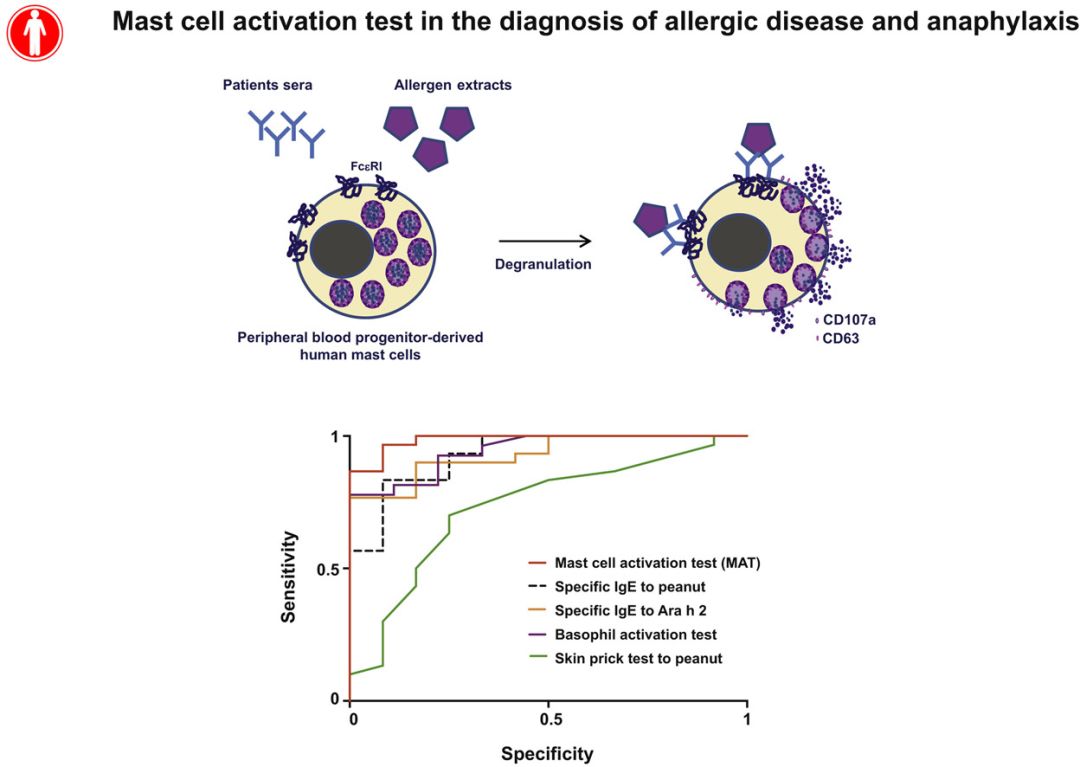 READ MORE
 -
2019.04.04
Understanding differences in allergen immunotherapy products and practices in North AmericaAllergen immunotherapy (AIT) is thought to be clinically effective and safe in treating allergic rhinitis, asthma, and stinging insect allergy in Europe and North America. However, there are intercontinental differences in AIT therapeutic products in terms of their application and regulation.READ MORE -
2019.03.27
Cow’s milk allergy (CMA) is a frequent cause of severe allergic reactions and anaphylaxis in children. Oral immunotherapy (OIT) has shown promising results with immunological changes occurring during desensitization. Our team at the Research Institute of McGill University Health Centre has demonstrated an increase in serum IgG4 during the escalation and maintenance phases of milk OIT. We assessed the changes in salivary IgG4 during milk OIT, as a potential non-invasive biomarker of desensitization.READ MORE -
2019.03.15
IgE to galactose-α-1,3-galactose and the α-Gal syndrome: Insights from basophil activation testing https://doi.org/10.1016/j.jaci.2018.10.029 All Authors:Jeffrey M.WilsonMD, PhDThomas A.E.Platts-MillsMD, PhD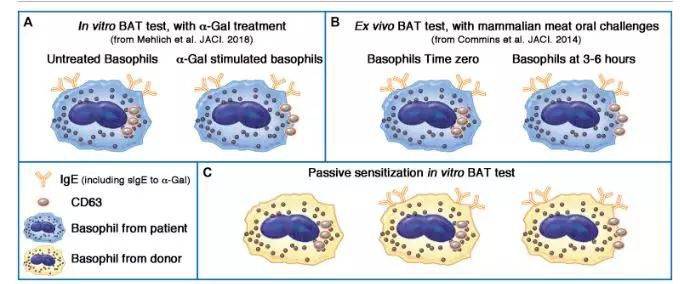 READ MORE
 -
2019.03.15
Disease severity in patients with atopic dermatitis (AD) is directly correlated with colonization by Staphylococcus aureus.1 An increasing body of evidence now also supports a role for S aureus in the pathogenesis of AD in genetically susceptible subjects.2 Increased prevalence of S aureus preceding and coinciding with AD onset in an infant cohort suggests that early skin colonization can contribute to the development of clinical AD. However, these findings only partially explain the complex role of this organism given that another birth cohort4 did not demonstrate S aureus colonization before development of infantile AD but did show a protective effect of commensal staphylococci against later development of AD.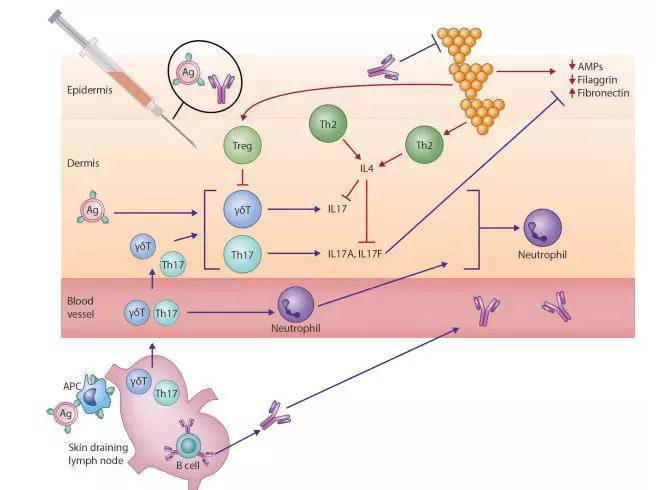 READ MORE
 -
2019.03.01
The analysis of allergen-specific IgE responses in birth cohorts with micro-arrayed allergens has provided detailed information regarding the evolution of specific IgE responses in children. High resolution data regarding early development of allergen-specific IgG are needed.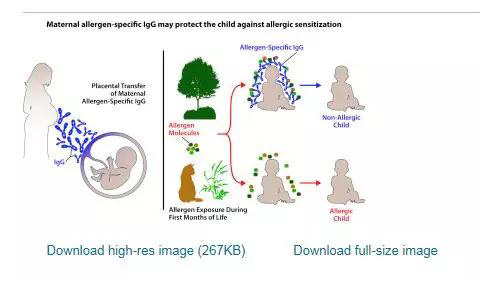 READ MORE
 -
2019.03.01
This analysis was based on 834 women from the Study on the influence of Air pollution on Lung Function, Inflammation and Ageing cohort in Germany. Incident symptoms of eczema after age 55 years and prevalent symptoms of eczema 12 months or less before investigation were assessed by means of questionnaire at the second follow-up (2007-2010). Total serum IgE levels were measured at baseline (1985-1994) and in 2007-2010. Exposure to air pollution was assessed by using land-use regression. Adjusted logistic regression models were applied to estimate the association between air pollution and incident and prevalent symptoms of eczema. Weighted genetic risk scores were used to investigate the effect of atopic eczema–related risk alleles on this association.READ MORE -
2019.02.20
Eosinophils are multifunctional granulocytes capable of releasing various cytokines, chemokines, and lipid mediators. We previously reported dysregulated fatty acid metabolism in peripheral blood-derived eosinophils from patients with severe asthma.However, functional characteristics of eosinophils present in allergic inflammatory tissues remains largely uncharacterized.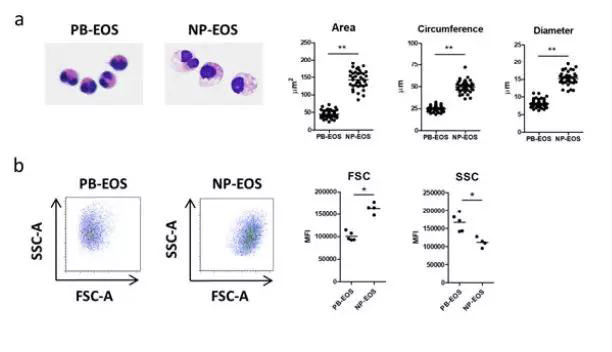 READ MORE
 -
2019.02.20
This nationwide Swedish cohort study of 1,086,378 children born in Sweden in 2001-2012 used prospectively recorded data from health care registers. Using Cox regression,we estimated hazard ratios (HRs) with 95% CIs for the association between perinatal characteristics (eg, cesarean delivery and preterm birth) and food allergy as defined by diagnoses in the National Patient Register, adjusting for infant sex and maternal factors (age at delivery, country of birth, parity, smoking, body mass index, and asthma/pulmonary disease).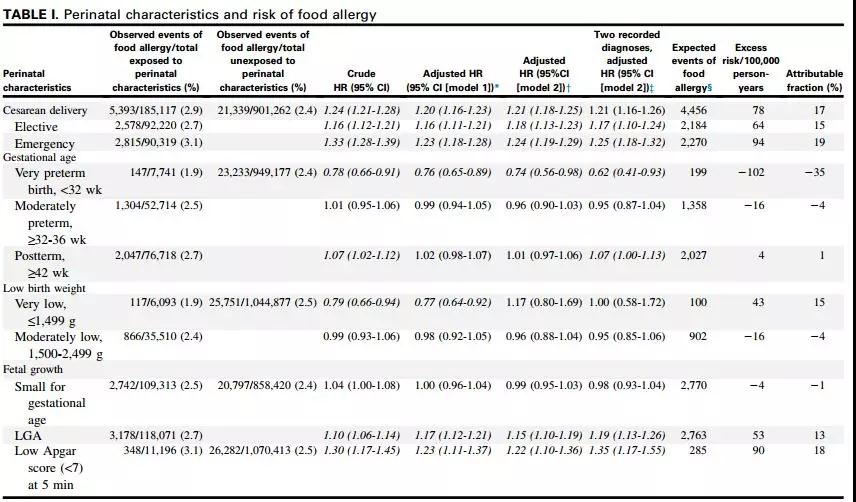 READ MORE
 -
2019.02.20
Controversies exist with regard to in vivo approaches to delayed immunologically mediated adverse drug reactions, such as exanthem (maculopapular eruption), drug reaction with eosinophilia and systemic symptoms, acute generalized exanthematous pustulosis, Stevens-Johnson syndrome/toxic epidermal necrolysis, and fixed drug eruptions. In particular, widespread differences exist between regions and practice on the availability and use of intradermal and patch testing, the standard drug concentrations used, the use of additional drugs in intradermal and patch testing to help determine cross-reactivity, the timing of testing in relation to the occurrence of the adverse drug reaction, the use of testing in specific phenotypes, and the use of oral challenge in conjunction with delayed intradermal and patch testing to ascertain drug tolerance.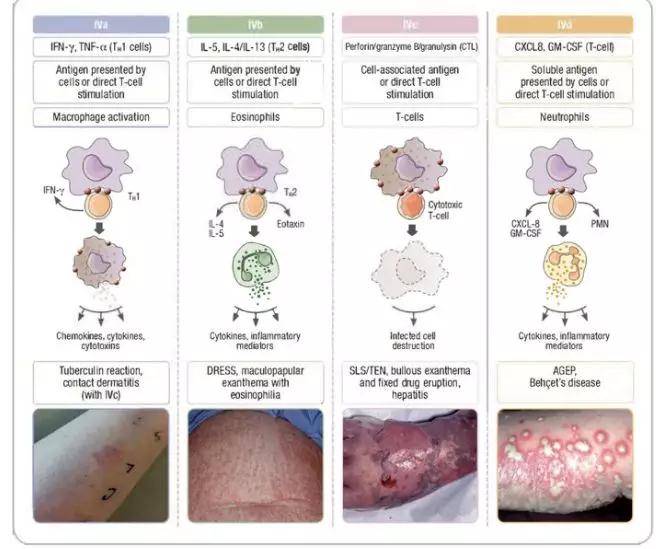 READ MORE
 -
2019.01.17
Background: The most relevant time of PM10 exposure to affect airway hyperresponsiveness (AHR) and new development of asthma in school‐aged children is unclear.The aims of this study were to investigate the most critical time of PM10 exposure to affect AHR and new diagnosis of asthma from AHR in school‐aged children. Methods: Elementary schoolchildren (n = 3570) have been enrolled in a nationwide prospective 4‐year follow‐up survey in Korea from 2005 to 2006. Individual annual PM10 exposure was estimated by using an ordinary kriging method from the prenatal period to 7 years of age. AHR at 7 years was defined by a methacholine PC20≤8 mg/mL.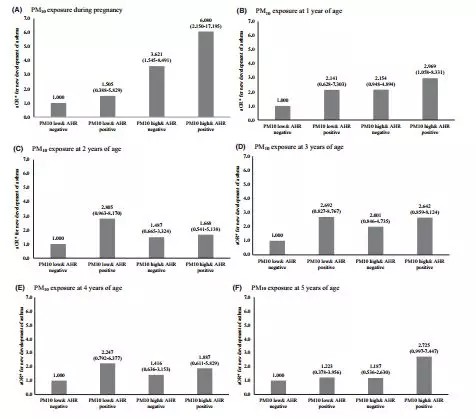 READ MORE
 -
2019.01.17
There are few studies comparing the sensitization with mite allergens from different mite species which could potentially be the cause of allergy.READ MORE -
2019.01.17
We sought to investigate commonalities in genetic loci and pathways between allergy and autoimmune diseases to elucidate shared disease mechanisms.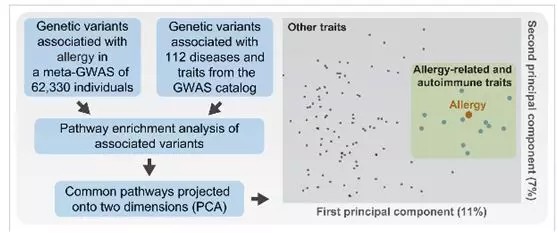 READ MORE
 -
2019.01.17
We investigated the changes in serum-specific IgE (sIgE) and IgG4 (sIgG4) against house dust mite (HDM) and its components Der p 1 and Der p 2 during specific immunotherapy (SIT), and evaluated the clinical efficacy thereof.READ MORE -
2019.01.02
Today, in vivo allergy diagnosis and allergen-specific immunotherapy (AIT) are still based on allergen extracts obtained from natural allergen sources. Several studies analyzing the composition of natural allergen extracts have shown severe problems regarding their quality such as the presence of undefined nonallergenic materials, contaminants as well as high variabilities regarding contents and biological activity of individual allergens. Despite the increasing availability of sophisticated analytical technologies, these problems cannot be overcome because they are inherent to allergen sources and methods of extract production.READ MORE -
2018.12.24
Background: Bet v 1 and homologous proteins represent major allergens for almost 95% of patients allergic to tree pollen and approximately 70% of those allergic to fruits and vegetables. As yet, no continuous (sequential) IgE epitopes have been determined for Bet v 1, and evidence has accumulated that Bet v 1 IgE epitopes belong to the conformational (discontinuous) type. Objective: A panel of 85 mouse monoclonal anti-Bet v 1 antibodies was raised as a tool with which to study the interaction of human IgE antibodies with Bet v 1. Methods: The epitopes of selected monoclonal antibodies (mAbs) were characterized by mapping with synthetic overlapping peptides and by cross-competition experiments.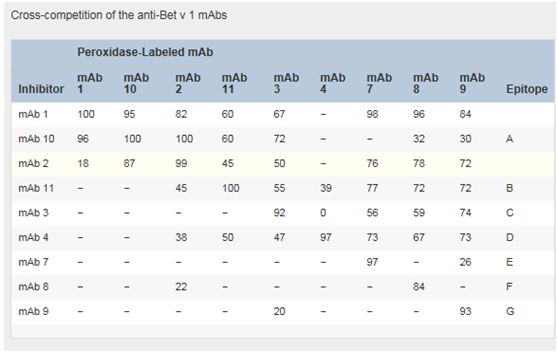 READ MORE
 -
2018.12.18
Food sIgG and sIgG4 are highly individually versatile. We put a hypothesis that one of the responsible factors is the presence of gastrointestinal inflammatory diseases. The objectives were: 1. An analysis of wheat and rice sIgG and sIgG4 in healthy children, children with IgE-mediated wheat allergy (WA), coeliac disease (CD) and Helicobacter pylori infection (HP). 2. Usability of wheat sIgG and sIgG4 in the WA diagnostics.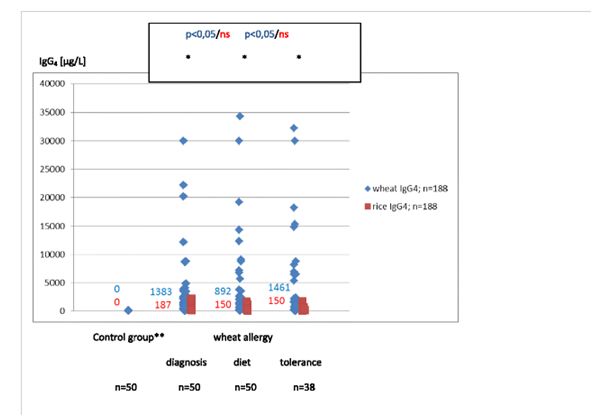 READ MORE
 -
2018.12.10
Allergen-specific IgG4 (sIgG4) antibodies are often associated with tolerance, but sIgG4 antibodies to causally relevant foods have been reported recently in adults with eosinophilic esophagitis (EoE). Prevalence and levels of food sIgG4 are not well established in the general pediatric population.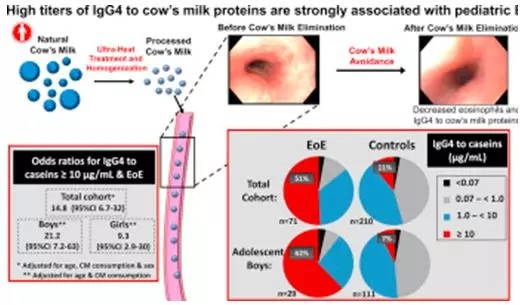 READ MORE
 -
2018.11.26
Differences in the IgE response to isoallergens could have clinical implications; therefore, its analysis will contribute to the design of better strategies for the diagnosis and treatment of allergic respiratory diseases. Several isoforms have been described from mites but there is no information about the clinical impact of Blomia tropicalis isoallergens. READ MORE
Hangzhou Zheda Dixun Biological Gene Engineering Co., Ltd. Copyright HZKC Technical support 浙ICP备14005341号 (浙)-非经营性-2019-0050
Address: Rm.201-209, Bldg.2, No.568 Binkang Rd., Binjiang Dist. Tel: 0571-87968248-805 Website:www.therealkc.com
COPYRIGHT©2003-2025 www.therealkc.com CORPORATION. ALL RIGHTS RESERVED


Official WeChat
开云手机登录入口 | 星空体育·(StarSky Sports)官方网站 | 云博app官方在线入口 | 江南平台 | 江南登录网站 | 开云官方注册 | 乐鱼在线登录最新官网(中国)官方有限公司 | 华球平台 | 开云网页版 |